About Me

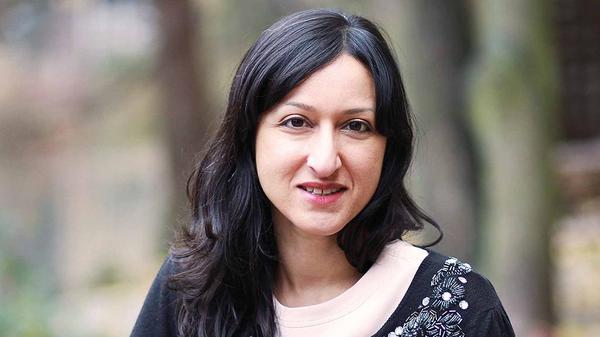
I'm Bella, a London-based arts and culture writer and books journalist. I am currently a sub-editor at The Stage and The Bookseller, having previously worked in academic publishing. I am a judge for the New Adult Book Prize 2026 and the Publishers' Publicity Circle's quarterly awards, and I also contribute to a monthly column on book-to-screen adaptations. For more of my writing on arts, culture and London-living, subscribe to my Substack.

Featured Articles

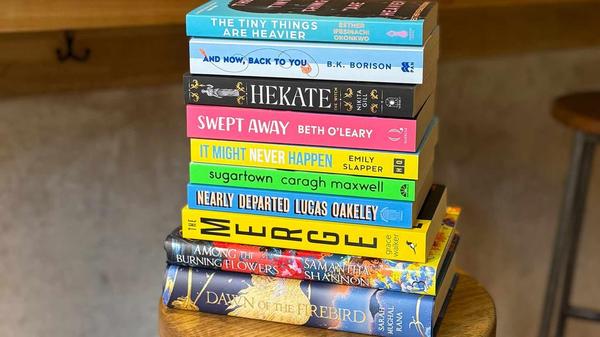
'Magnificent' 2026 New Adult Book Prize shortlist represents range of genres

The shortlist was compiled by writer and bookseller Ross Kelly, author Busayo Matuluko, journalist Bella Green and prize chair Katie Fraser. Green said: "More than ever, young people are grappling with questions from how their personal relationships should manifest to what their futures will look like… Our wonderful shortlisted titles deal with these themes and more, with characters navigating everything from existential threat to situationships."
The Odyssey is an epic masterpiece – but what about the women?

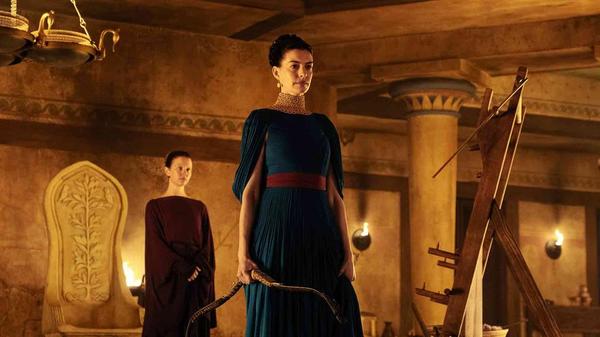
Christopher Nolan’s The Odyssey, an adaptation of Homer’s 3,000-year-old epic poem, is a triumph of action-adventure cinema, with thrilling battle scenes, stomach-churning body horror and an abundance of moral ambiguity, all set to a thunderous soundtrack. But when I emerged from a screening last weekend, I could not help feeling a twinge of disappointment at the film’s treatment of its female characters.

The early noughties was a golden age for mythology in cinema. Films like Gladiator (2000) and Troy (2004) were among the highest-grossing in their respective years, with cult classics like 300 (2006) also making an impact. In these films, women serve a largely subsidiary function to male protagonists – as dutiful wives, awaiting their husbands’ return; as hapless, floundering maidens, needing to be rescued; or as seductive temptresses, luring heroes away from their destinies.

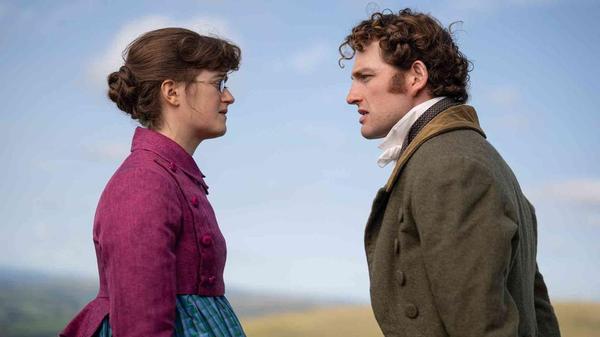
The Other Bennet Sister – the return of quiet romance?

It is a truth universally acknowledged that film and television viewers are crying out for more Jane Austen adaptations.

It has been a memorable six months for on-screen versions of classic literature. The success of Guillermo del Toro’s Frankenstein and Emerald Fennell’s Wuthering Heights, alongside the discourse surrounding the latest trailer for Christopher Nolan’s The Odyssey, has made it clear that public appetite for the classics shows no sign of waning.

Thea Lenarduzzi talks about her new book, The Tower, a journey into the nature of storytelling itself

It is a warm summer’s evening and Thea Lenarduzzi and I are sitting outside an independent cinema in Lewes. The Italian writer is talking about her upcoming book, The Tower, published by Fitzcarraldo Editions in October, which relates her preoccupation with Annie – a tuberculous young woman said to have been confined to a tower in her family’s garden in the early 1900s, before she died there, alone. The Tower is an original, ever-shifting, ever-searching journey that probes the nature of storytelling itself, carefully treading the fine line between fact and fiction.

The art of swimming

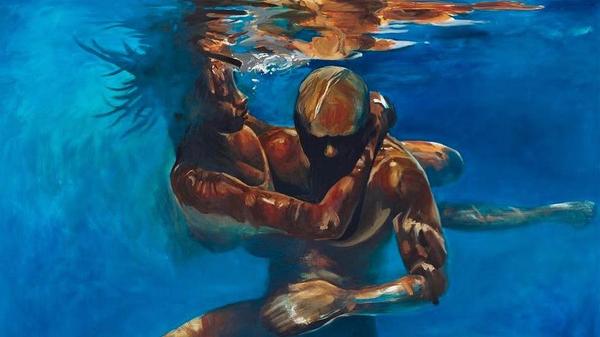
Twice a week, I go swimming at my local leisure centre. I am occasionally joined by a friend who lives the next tube stop over. We alternate between swimming lengths and trading gossip, crouched in the shallow end of the pool. Last time, prompted by the adult learners in lane one, she pointed out what a privilege it is to be able to swim. If you have been swimming your whole life, this probably isn’t something you think about, but she’s right. It is a privilege to feel safe in water, to exist in...

Arifa Akbar explores our sometimes complicated relationship with the nocturnal hours

For as long as she can remember, Arifa Akbar has had a complicated relationship with the night. It is apt, then, that she is chief theatre critic for the Guardian, a job that has flipped her days and nights. She spends most evenings in a dimly-lit auditorium, being regaled by London’s latest theatrical offering, before racing home to pen her review ahead of the morning deadline.

Intermezzo

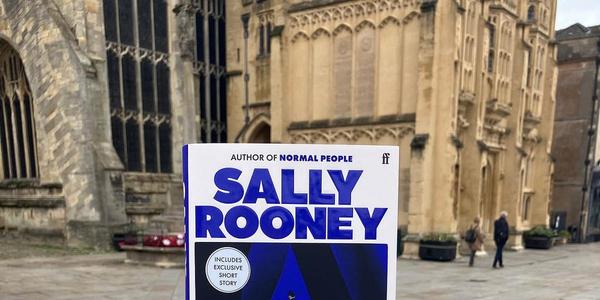
The Oxford English Dictionary defines intermezzo as ‘a short connecting instrumental movement in an opera or other musical work’.On Chess.com, where I have spent more hours than I care to admit playing online games against strangers (read: AI bots), an intermezzo is ‘an unexpected move that poses a severe threat and forces an immediate response’, usually ‘in-between exchanges’.As a Latinist, when I first heard the title of Sally Rooney’s latest novel, my ears pricked up. The word is borrowed fro...